Nob Hill’s second attempt at take off.
Although Nob Hill’s commercial aviator school did not work out (see Story 15: Touch and Go), other aviation opportunities soon appeared on the horizon.
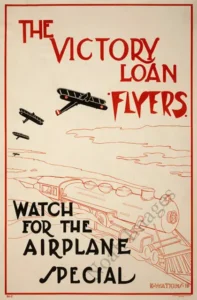
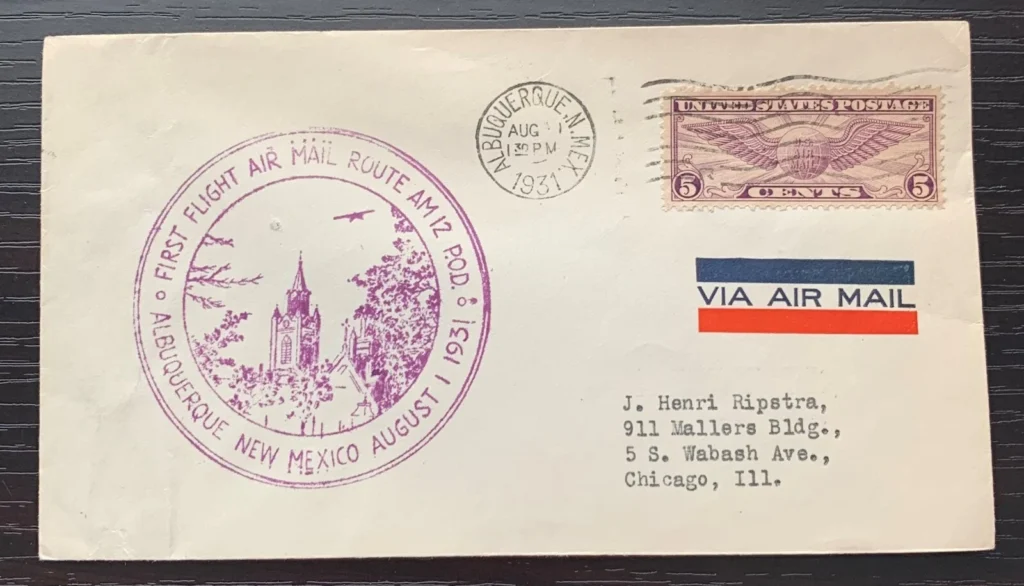
In the early 1920’s, the federal government began to test and develop a transcontinental air mail route. This remarkable effort faced serious challenges. Daring young pilots, often former world war flying aces, set out across the country in open cockpit planes with limited navigation and dangerous weather. Engine failures, poor visibility, and loss of bearing often forced pilots into emergency landings, sometimes with fatal results. But, as we know, “the mail must go through.”
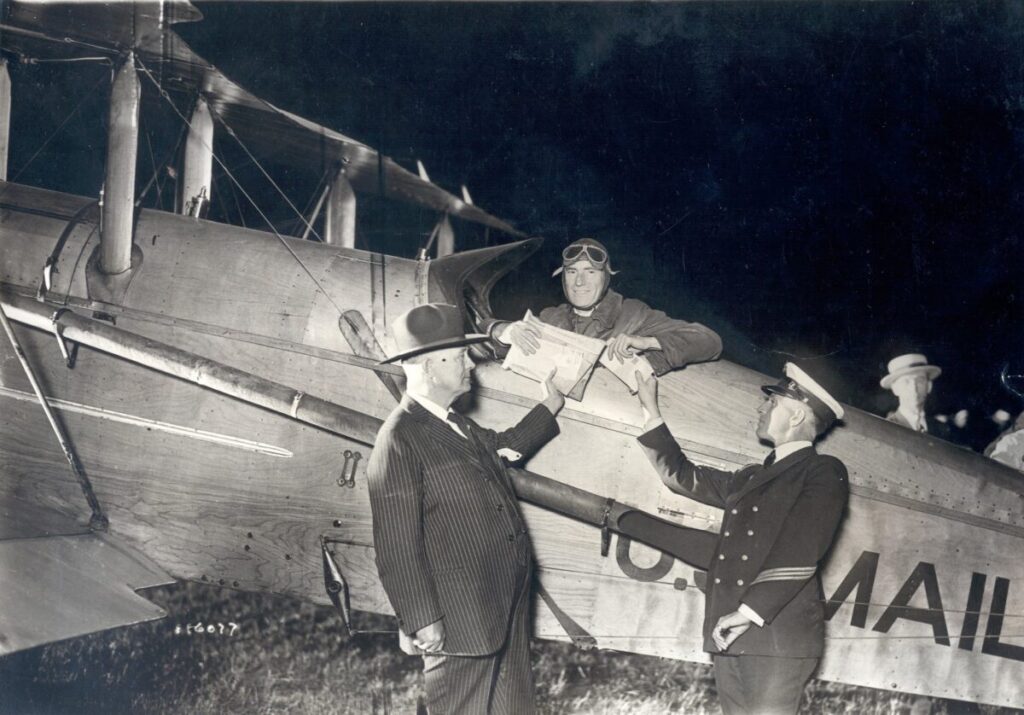
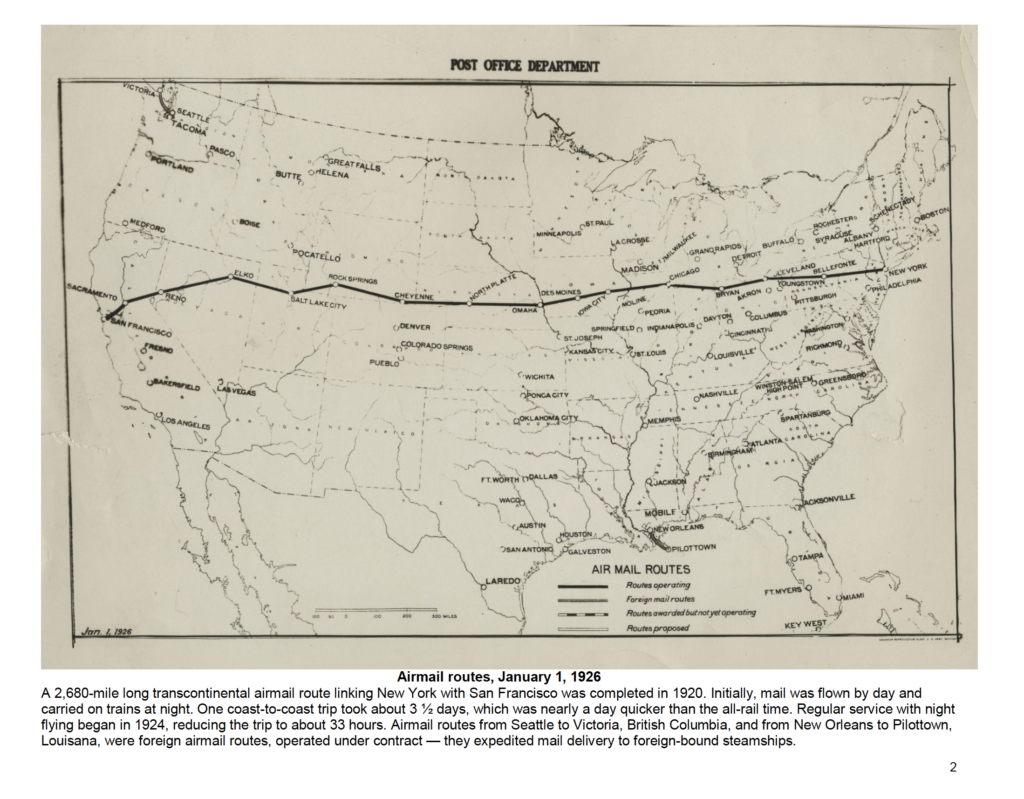
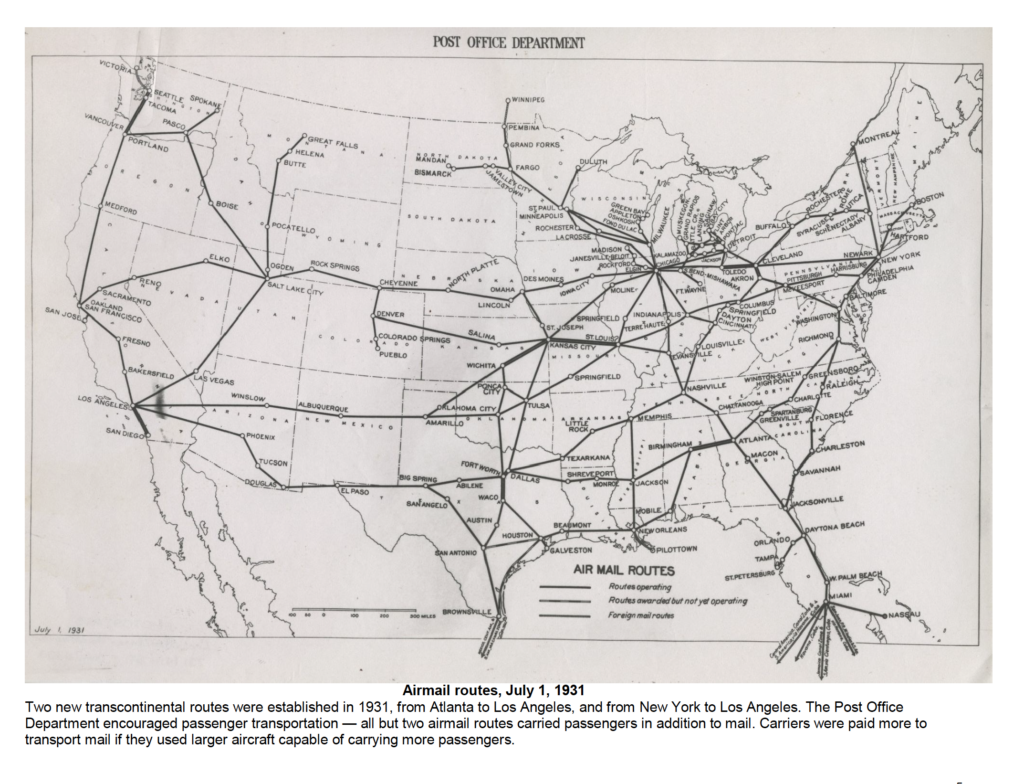
The first transcontinental route was planned to provide mail service from New York to San Francisco. By early January of 1920, the first leg had been established from New York to Omaha. Cities in the southwest, feeling left out of the airmail game, began marketing themselves as a “safer” alternative to the often unpredictable weather patterns along the route to San Francisco. By early April, the Albuquerque Chamber of Commerce had thrown its hat into the ring, joining forces with the Aero Club of California in hopes of securing Albuquerque as a stop along the route between Omaha and Los Angeles.
Albuquerque, Step Lively!
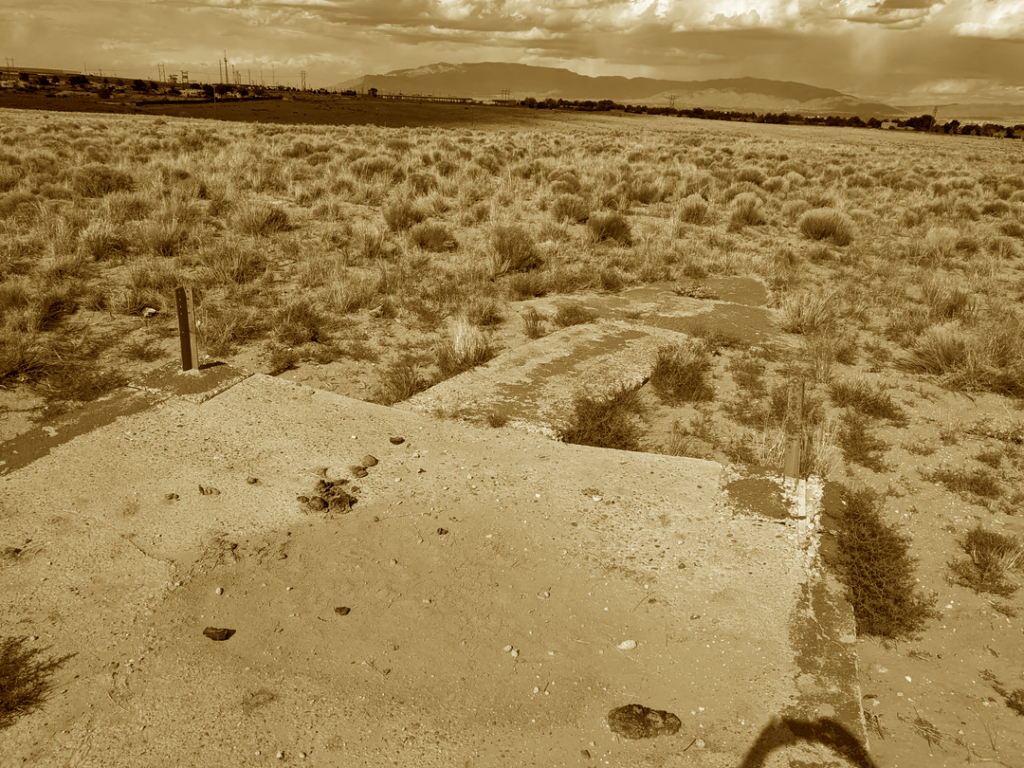
The Chamber quickly set to work preparing a landing field for the airmail test. It would be a true community effort, undertaken with little time and no funding to meet the requirements of the U.S. Air Mail Service. The University loaned land about 100 yards east of the reservoir and the City provided a grader to level the site. For manpower, the Chamber of Commerce recruited the local Boy Scout troop to clear rocks and prepare a 600-by-1,200-foot rectangular field. The scouts also laid a 100-foot circle of painted bricks, with the corners marked by whitewashed panels. At the center of the bull’s-eye were the words: “Albuquerque, Step Lively.”
So sure of success, the Chamber appointed a local Albuquerque pilot as official pilot between Albuquerque and Los Angeles.
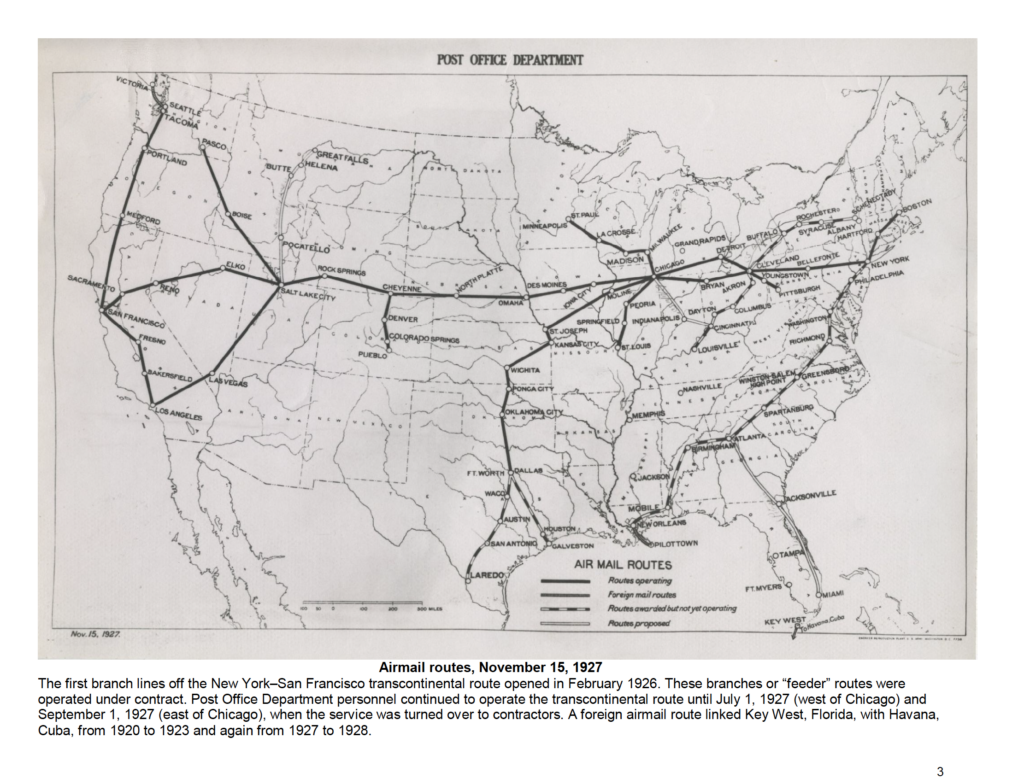
Unfortunately, no federal funding materialized to expand U.S. airmail service until 1926, when the first airmail route reached Los Angeles via Salt Lake City and Las Vegas. Albuquerque’s place on the airmail route would have to wait a few more years.
Rough Landing
Despite the many “improvements” over the years, the “landing field”—a somewhat level strip of dirt on university land just east of Yale Boulevard —remained a disaster waiting to happen…
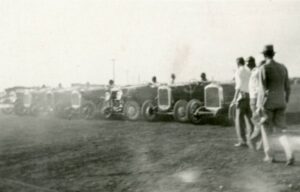
On March 5, 1920, two Army planes arrived in Albuquerque, scheduled to make exhibition flights as part of major auto show in Santa Fe. One of the planes broke its right wing when it struck a fence while landing on the too-narrow field. No worries, however: a replacement wing was requested from El Paso for delivery the following morning, and it was expected that the plane would be repaired in time to perform as scheduled on March 6! Unfortunately, the damage ended up too significant to repair. The Army sent three additional planes to perform at the auto show, prompting the Albuquerque Journal to crow that “a complete squadron was on the landing field.”
The mishaps continued the following year when in 1921 Lt. Sullivan, a representative of the Twelfth Aero Squadron, hit a gully while landing.
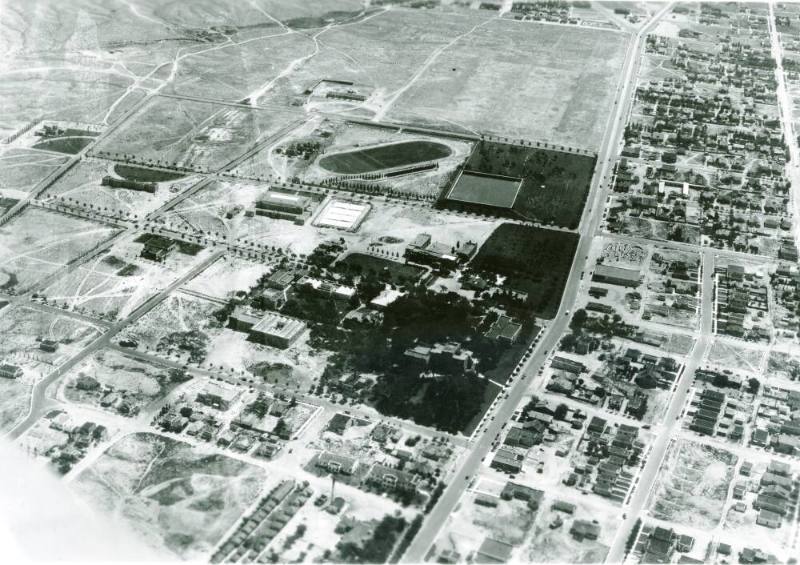
Some improvements must have been made, because in August 1922, the “University Heights Doings”—a quasi-local news section and advertisement for University Heights—crowed that the East Mesa had its own “splendid starting and landing field.”
Nonetheless, the limitations of the East Mesa landing field continued to plague aviators. “Tailspin Tommy,” a UNM student and skilled aviator, nearly crashed into the old university reservoir in 1923 while returning from his historic flight, during which he delivered the Albuquerque Morning Journal to Farmington and Aztec, New Mexico.
Nob Hill 100 Stories is an initiative of Nob Hill Main Street to keep local history alive. For more stories about Nob Hill’s amazing past click here.
©️ 2026 Michelle Allison